
Simple Operation for Everyday Comfort
Slider Window Replacement in Spruce Grove, Alberta
Discuss practical horizontal sliding window options. Get a Free Estimate
Horizontal slider windows operate by moving one or more glass panels sideways within the frame. Their compact opening arrangement can be useful beside patios, decks and outdoor walkways where an outward-swinging window would create an obstruction.
Older sliders may become difficult to move as tracks, rollers, seals or other operating components deteriorate. Replacement can be worth considering when maintenance no longer restores reliable operation or the assembly has other significant problems.
We help property owners arrange discussions with a contractor about suitable slider window replacements. The available configurations depend on opening dimensions, glazing requirements and how the window will be used.
Before you compare quotes, read Natural Resources Canada's guide to ENERGY STAR windows, doors and skylights. It explains the label and performance ratings to look for on a new window.

A slider should provide smooth movement and dependable closing without requiring unnecessary effort. Consider the track design, operating panels and frame construction when comparing products.
A single-slider window typically includes one movable panel and one fixed section. This arrangement provides ventilation while keeping the other portion of the window stationary. The direction of the operating panel can affect furniture placement, access and airflow. Determine which side should open before ordering, rather than assuming the original arrangement remains the most convenient option.
Double-slider products allow both main window panels to move, providing additional flexibility over where the opening is positioned. The precise operation depends on the frame and track design. This can be useful when occupants want ventilation from either side of a wide opening. Discuss the locking arrangement and whether the panels can be removed or tilted for cleaning under the manufacturer's instructions.
Horizontal sliding windows depend on suitable tracks, guides and supporting components. Dirt buildup, damaged rollers and distorted frames may cause resistance during operation. Before replacing a window solely because it sticks, establish whether routine maintenance or component repair is appropriate. Where broader deterioration exists, a new assembly may offer a more practical long-term solution.
Slider windows use sealing systems designed to accommodate sideways movement. Their air leakage performance varies according to the product's construction, condition and installation. Compare relevant product ratings when winter drafts are a concern. A properly aligned and secured frame is essential because distortion can interfere with sliding movement, seal contact and the ability of the locking hardware to engage.
Horizontal sliders can suit relatively wide openings and locations where exterior clearance is limited. Their operating panels remain within the window's overall plane rather than extending into the yard. Consider them for rooms beside narrow pathways or frequently occupied outdoor seating areas. The internal operating panel must still be accessible, and furniture should not prevent the window from being opened or secured.
Slider windows may be available with different insulating glass configurations, subject to the selected design and opening dimensions. Glass weight and supporting hardware should be considered together when evaluating larger units. A slider intended for required bedroom escape must provide an adequate unobstructed opening. Because a moving panel may cover part of the available width, exterior frame measurements alone cannot establish whether the arrangement is suitable.
Explain how your current slider moves, locks and responds to changing weather conditions.
The contractor can discuss single and double-slider arrangements for different room layouts.
Consider products that provide ventilation without interfering with outdoor paths and seating areas.
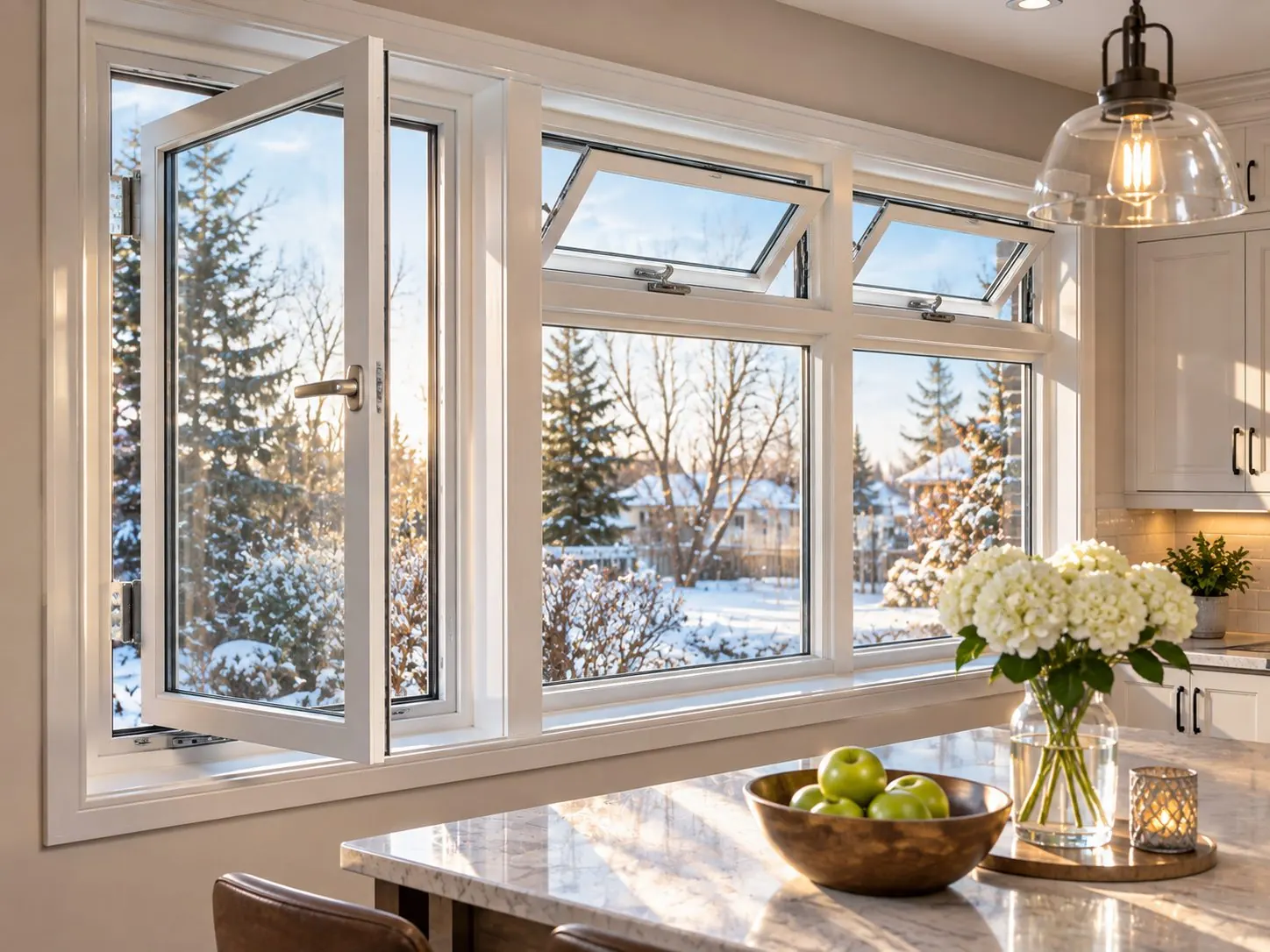
Replace troublesome sliding windows with a configuration suited to your property.
Free — no obligations
Identify sticking panels, worn tracks, damaged seals or other concerns.
The contractor checks dimensions, frame condition and installation requirements.
Compare movable sections, glass configurations and accessible locking mechanisms.
Confirm the specified products, expected finishing work and scheduling arrangements.
Review the installed panels and obtain instructions for track maintenance.

Accumulated dirt, worn supporting components or movement in the frame can restrict operation. An assessment can help establish whether servicing or replacement is appropriate.
Their sideways operation can be useful because the panels do not project into the outdoor space. Check that the selected configuration provides the ventilation and other functions required by the room.
Double-slider designs generally allow movement of both operating panels. Single-slider products normally have one movable section, so confirm the configuration before ordering.
Remove accumulated debris and follow the manufacturer's cleaning instructions. Avoid applying unsuitable lubricants or blocking drainage openings within the frame.